 Research and s
cience journalism in a time of misinformationResearch and s
cience journalism in a time of misinformation
Research and s
cience journalism in a time of misinformationResearch and s
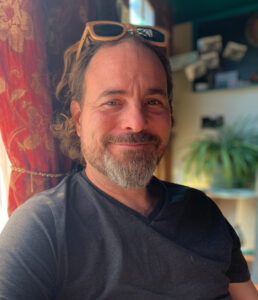
cience journalism in a time of misinformationBob Grant
Editor in Chief
The Scientist magazine
Join the St. Louis Neuroscience Outreach Interest Group (StLNOIG) for their quar terly seminar\, this year focusing on meaningful scientific communication b etween experts\, students\, and the general public.
Reporting and wri ting about science\, in addition to conducting it\, is a craft that has alw ays demanded precision and a thoughtful approach. But the rise of social me dia and the attendant democratization of information sharing has presented unique challenges to the conscientious researcher and science journalist. A s mis- and dis-information have come to form larger portions of an average person’s daily information diet\, both prior to and during the COVID-19 pan demic\, the need for solid\, dependable information on science\, public hea lth\, epidemiology\, and related fields has increased. This situation makes research and trustworthy science communication not only more challenging b ut more important than ever to practice and share. Bob Grant\, Editor in Ch ief of The Scientist\, will give attendees an insider's perspectiv e on these challenges and insight into how the job of science communicator has changed over the past decade. We’ll also discuss what role researchers can play in turning the tide of misinformation while welcoming a greater sl ice of the public into the sphere of true evidence-based and critical think ing.
Virtual event
Please email Katie Lefton to join the StLNOIG email list and receive the Zoom link .
ORGANIZER;CN="Brian":MAILTO:bmarston@wustl.edu URL;VALUE=URI:https://neuroscience.wustl.edu/events/event/stlnoig-bob-grant -the-scientist-magazine/ END:VEVENT BEGIN:VTIMEZONE TZID:America/Chicago BEGIN:DAYLIGHT TZOFFSETFROM:-0600 TZOFFSETTO:-0500 DTSTART:20220313T080000 TZNAME:CDT END:DAYLIGHT END:VTIMEZONE END:VCALENDAR