Dr. Monosov, Associate Professor of Neuroscience, discusses his research on the neurobiological roots of curiosity on the Choose to Be Curious program.
“Why neuroscience matters, with Ilya Monosov” (Links to an external site)
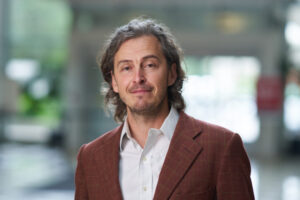
Dr. Monosov, Associate Professor of Neuroscience, discusses his research on the neurobiological roots of curiosity on the Choose to Be Curious program.
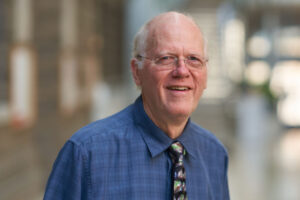
David Van Essen, PhD, Alumni Endowed Professor of Neuroscience at Washington University, is among the scholars on Clarivate’s 2023 list of Highly Cited Researchers.
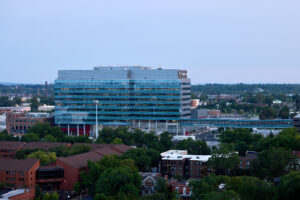
The state-of-the-art facility will initially house approximately 100 teams comprising 875 researchers, including experts in neurology, neuroscience, neurosurgery, psychiatry, and anesthesiology.

In collaboration with Vitaly Klyachko in the Department of Cell Biology and Physiology at WashU, the funds will support research into the function of sensory neurons and partners known as satellite glial cells.
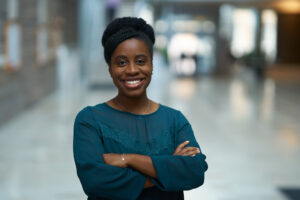
Kia’s poster, “An inducible genetic tool for tracking and manipulating specific microglial states in development and disease,” earns the top honor at the Washington University Neuroscience Retreat.
In Nature Neuroscience, Thomas Papouin and colleagues describe the role of astrocytes in “contextual guidance.”
Dr. Loewy worked over his decades-long career at Washington University to uncover connections between the peripheral and central nervous systems.
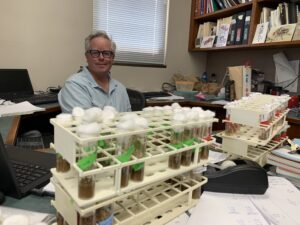
Fruit flies seek out warmer temperatures when they experience sleep deprivation or fragmentation or when faced with a shifted sleep schedule, similar to when people stay up late and sleep in on the weekend.
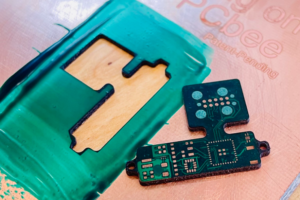
Partnering with St. Louis–based uFab, the Neurotech Hub can meet the need for bespoke neuroscience technology in house.
Senior graduate students are invited to present their thesis research at Washington University in May 2024. This two-day, all-expenses-paid visit will include one-on-one faculty meetings, networking activities with postdocs and graduate students, and a tour of St. Louis.