The project aims to answer a fundamental question in neuroscience: how do olfactory cues direct behavior?
Timothy Holy awarded R01 grant to investigate mouse pheromones

The project aims to answer a fundamental question in neuroscience: how do olfactory cues direct behavior?

The Zhao Lab is grateful for ICTS, GTAC@MGI, Knight ADRC, and the Movement Disorders Center for their generous support.
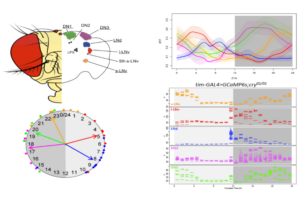
The slow and fast rhythms reflect distinct cellular processes yet nevertheless have a co-phasic relationship.
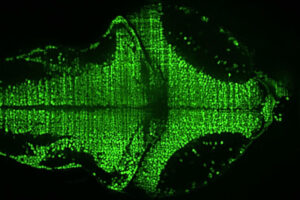
In collaboration with labs from Caltech and the University of Southern California, his team will track each cell in the zebrafish brain to document the biological basis of sleep.
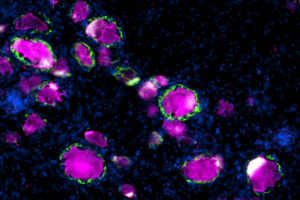
SGCs have been the subject of intense scrutiny for their involvement in inflammation, pain and nerve injury. The results confirm that rodents are a reliable model for translational research on these cells.
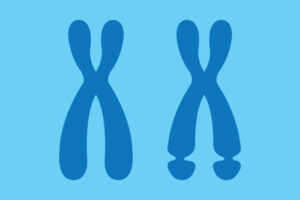
Finding therapies for fragile X may depend on understanding the many ways the protein’s loss affects the brain.
Zhao, an assistant professor in the Department of Neuroscience, will apply imaging mass cytometry technology to analyze tissue samples from Alzheimer’s patients.

Groundbreaking cancer research helps shed light on recently identified disorder, Tatton Brown Rahman Syndrome.

Camillo Padoa-Schioppa, PhD, has developed a manual of tools for analysis of economic choices.
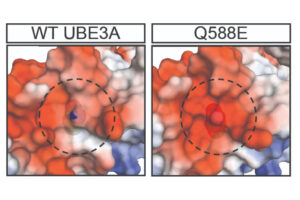
Assistant Professor Jason Yi’s group applied the technique to variants of unknown significance in UBE3A, the gene that underlies Angelman syndrome.